Cau Ngu Festival: Whale Worship and Ba Trao in Da Nang
Cau ngu is the fishing villages' festival of Ca Ong, the whale spirit, held from the first to the third lunar month. Offerings, a eulogy and the ba trao rowing dance fill the day. The Da Nang festival entered the national heritage list under a decision dated 10 March 2016.
In this guide
What Cau ngu is
Cau ngu (cầu ngư, “praying for fish”) is the festival a fishing village holds for its sea spirit before the new season. In Da Nang it is the biggest event of the year for fishermen: they pray for a good catch, honour the sea spirit and ask for a calm sea and full holds. The festival belongs to the coastal communities of central and southern Viet Nam and is tied to the worship of Ca Ong (Cá Ông), the whale.
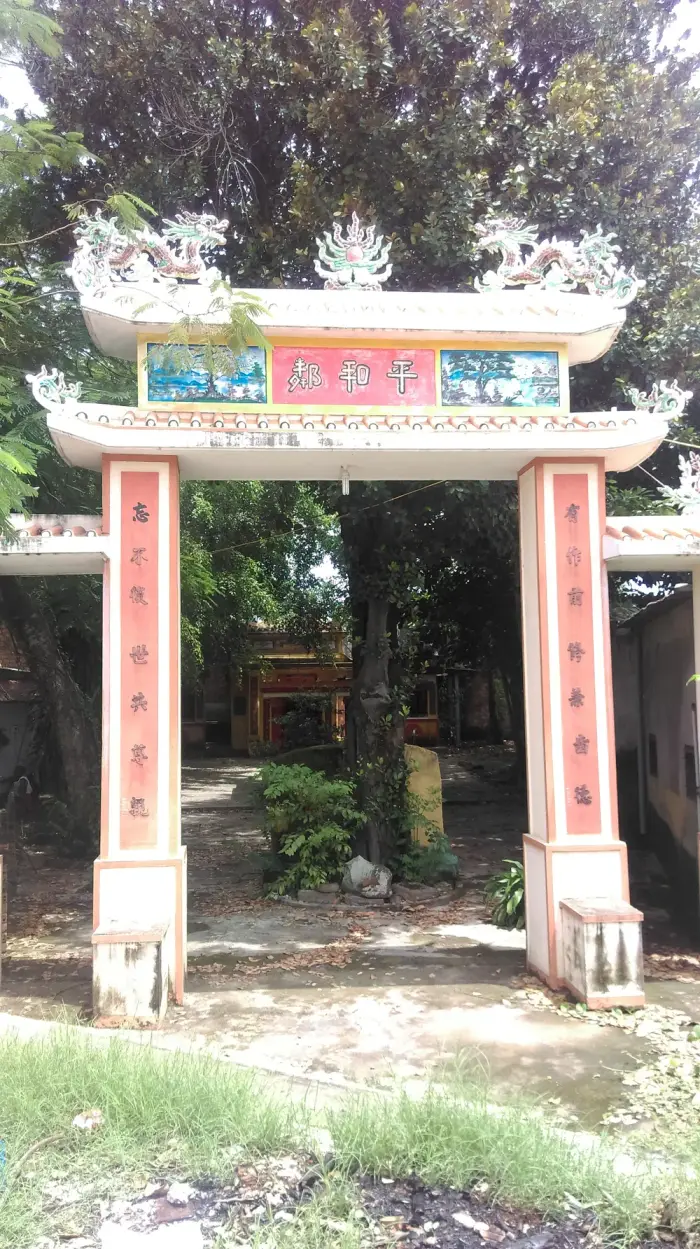
Ca Ong is a guardian that fishermen take literally. Seafarers see the whale as the protector of fishermen and their boats, and one Da Nang source calls him the Spirit of the South Sea, Nam Hai. Villagers use respectful names for him, such as Ong Dong Hai, Duc Ngu Ong or simply Ngai (“His Excellency”). The shrine where he is honoured is a lang (lăng), and every Cau ngu starts and ends there.
Which year it became heritage
Three dates are in circulation, and only one is the listing. The decision that put the Da Nang festival on the national list is a decision of the Ministry of Culture, Sports and Tourism dated 10 March 2016. The text of that decision lists seven items, and the third is the Cau Ngu festival of Da Nang city.
The second date is the ceremony. On the morning of 20 February 2019, during the traditional festival that Thanh Khe holds each year, the honouring of the “Cau ngu festival in Da Nang city” took place. The director of the city’s culture department handed over the certificate on behalf of the Ministry. That is why an English-language report from the time describes the item as one of seven approved that year, 2019: it counts the handover, not the listing.
The third date is wrong. One Bao Van hoa feature says the recognition came in March 2026. That contradicts the decision text and the feature’s own publication date, so read it as a slip for March 2016. Quote 2016 for the listing and 2019 for the certificate.
When it is held
There is no single date. From the first to the third lunar month the festival is held in coastal areas of Da Nang such as Man Thai, Tho Quang, Thanh Khe and Nam O. Thanh Khe’s old edition falls on the 16th of the first lunar month, the start of the fishing season, and most fishermen go to sea as soon as it ends. For fishing families it also closes the Tet holidays.
Son Tra district moves its festival around. It rotates every year among three wards: Man Thai, Nai Hien Dong and Tho Quang. Its edition in 2024 was held at the Ngu Ong shrine at the Han river mouth in Nai Hien Dong and lasted four days. In the last days of February people also gather at the Tan Thai shrine in Son Tra for the procession of Ca Ong. Because the dates move, treat any single date you read as one village’s date.
The rites, day by day
A festival usually runs two days, though it varies by locality. The first day is the tien thuong rite and the second is the main sacrifice. Families set out offering tables, and every boat is dressed with lights and flowers. The chief celebrant presents the offerings and reads a eulogy, thanking Ca Ong for his merit.
Out on the water the festival becomes visible. Fishermen launch paper flower garlands to sea to pray for the dead and honour the sea god, and then elderly fishermen carry a sedan from the sea to the beach. The god is presented with fine food and local folk games are played.
The evening has its own rites: lanterns are released on the sea, boats are set afloat for the souls of the dead, and living creatures are freed. The sea procession is the visible high point of the day, and the lanterns close the evening.
The festival side: games, tuong and boat races
The festival side is where visitors join in. Fishermen and visitors play folk games such as basket-boat spinning, boat racing, swimming, tug of war and football. In Son Tra the festival side also carries bai choi singing, tuong, ba trao and lion dance, and a traditional boat race on the Han river is a highlight.
If bai choi is the part that draws you, our page on bai choi explains the calling game that the festival borrows.
Hat ba trao, the rowing chant
Hat ba trao (hát bả trạo) is the art that gives Cau ngu its voice. “Ba” means to grasp and “trao” means oar, and the art is also called cheo ba trao, ho hau linh or ho dua linh. It is an old folk art with a spiritual side, born from the rite honouring Ca Ong to enrich the fishermen’s spiritual rites. It is usually staged at the cau ngu and the Ca Ong sacrifice at the start of the year.
On stage, the performers are a boat crew. A troupe usually has 12 to 18 people, always an even number, called con trao and split into two sides. In the middle stand three tong: tong khoang, tong lai and tong mui. Larger crews of 18 to 25 people are reported elsewhere, so troupe size depends on the village. A performance usually takes place on a boat or at the Ca Ong shrine.
A performance has three main parts, with folk melodies, sung, spoken and told passages and stylised rowing movements. The dance moves stand for oar strokes, at once a wish to survive and a rite asking the sea for protection. In Quang Nam the artists also use hat nam, hat khach, tan and noi loi to praise Ca Ong’s merit in rescuing people at sea.
Ba trao also serves grief: it appears at the funerals of a whale washed ashore, and at human funerals. A Bao Van hoa feature calls the ba trao the most distinctive part of Cau ngu, because it shows a boat crew pulling together through storms.
Where to see it
Start with the villages the sources name. Man Thai, Tho Quang, Thanh Khe and Nam O hold the festival each year in the first to third lunar month. One Man Thai fisherman has spent decades in the traditional fish sauce trade, which is a reminder that these villages live on the sea in two ways: boats and barrels.
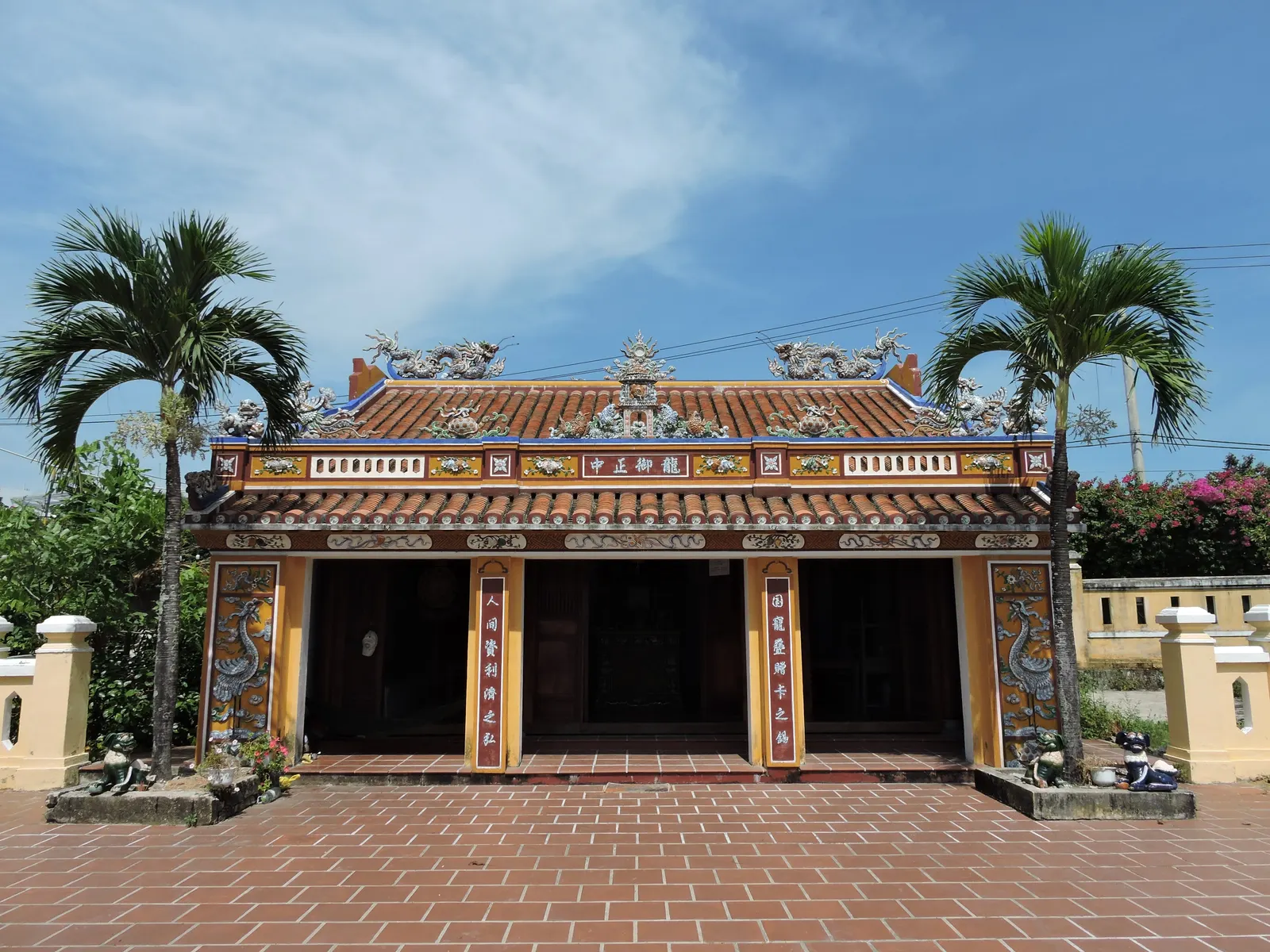
If you are going to Nam O, plan around the food as well as the shrine: read about Nam O fish sauce and the village’s raw fish salad, goi ca Nam O. For Son Tra, remember the festival rotates: ask which ward hosts this year, then go to its Ngu Ong shrine.
South of Da Nang, ba trao is kept alive in Hoi An’s fishing communities of Cam An, Cu Lao Cham, Cua Dai, Cam Nam and Cam Thanh. For the island, see Cu Lao Cham.
Ba trao is fading, and why that matters
Ba trao is now hard to find in Da Nang. The 2022 Son Tra festival in Man Thai lacked the ba trao part. Too few singers remain to form a troupe in Man Thai and many other places, so ba trao is absent from traditional events. In Da Nang the original teams are fading and many places must invite a team from Hoi An to perform at the cau ngu.
The revival is personal. A fisherman from Nai Hien Dong revived ba trao and set up a local troupe in 1998. In Quang Nam, Nui Thanh district tells a different story: each of its five coastal communes has at least one ba trao team for festivals, Tet and the cau ngu.
The art holds national status of its own. The certificate recognising hat ba trao as national intangible heritage was received on 25 February at Tam Giang fishing port in Nui Thanh, Quang Nam. A Bao Van hoa feature dates the recognition to 2016. The decision of 10 March 2016 lists seven items and ba trao is not among them, so the Da Nang festival and the ba trao are two separate listings.
Why it is worth keeping
Cau ngu is more than a spectacle. It is the one day when a fishing village stops to say thank you to the sea, and it still sets the rhythm of when boats leave after Tet. The ba trao is the part that most needs its audience. If you attend, stay for it, ask who is teaching it, and eat what the village sells.
Photos (2)
- Linhcandng, CC BY-SA 3.0 (opens in a new tab)
- Bánhmỳchảo, CC0 (opens in a new tab)
Not confirmed: Each village sets its own dates and they shift between years: Thanh Khe uses the 16th of the first lunar month, Son Tra's festival has run in late March. Ask at the ward office or the shrine before you go. Entry rules and parking are not published.
Common questions
What is the Cau ngu festival?
The biggest event of the year for fishermen, when they pray for a good season, honour the sea spirit and ask for a calm sea. It is tied to the worship of Ca Ong, the whale.
When is Cau ngu held in Da Nang?
From the first to the third lunar month, village by village. Thanh Khe holds it on the 16th of the first lunar month, while Son Tra's festival has run in late March.
What is hat ba trao?
A sung and danced ritual in which the performers mimic a boat crew rowing. It is usually staged at the cau ngu and the Ca Ong sacrifice at the start of the year.
When did the festival become national heritage?
It is on the national list under a decision of the Ministry of Culture, Sports and Tourism dated 10 March 2016. The certificate was handed over in Da Nang on 20 February 2019.
Do I need a ticket?
Not for the rites: they are a village event held at the Ca Ong shrine, and visitors and fishermen join the folk games. Ask at the ward office about anything beyond that.
Is the ba trao still performed?
Less and less in Da Nang. Man Thai had no ba trao part at its 2022 festival, and many places invite a team from Hoi An.
Read next
- Bai Choi: The Singing Card Game of Central VietnamVerified 18 October 2026
- Nam O Fish Sauce: Old Village, Families and FermentingVerified 18 October 2026
- Goi Ca Nam O: Fishing Village, Herring and Fish SauceVerified 18 October 2026
- Cu Lao Cham: History, Monuments, Boats and Calm SeasonVerified 18 October 2026
General information checked against the sources listed above. Ticket prices, opening hours and rules change; check with the place before you go. See how guides are checked.
Spotted an error? Report it.