Banh Beo of Quang Nam: From Hue Bowls to Hoi An and Da Nang
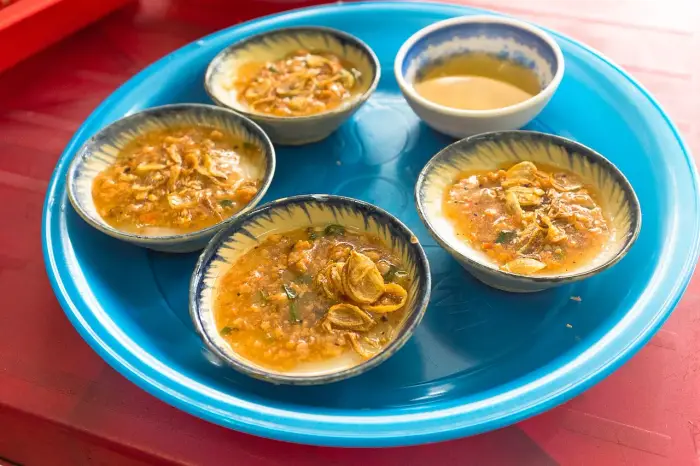
Banh beo (bánh bèo) comes from the old capital Hue and spread across central Vietnam. Rice-flour batter is poured into small bowls. In Quang the cakes are bigger and thicker than Hue's, with a pink-red shrimp and pork topping. Hoi An people cut the cake into four with a bamboo knife.
In this guide
- Origins: from the old capital to Quang country
- The bowl: rice flour, earthenware and the dip in the middle
- Quang and Hue: the bowl tells the difference
- Banh beo in the old town of Hoi An
- How to eat it
- Three places to try in Hoi An and Da Nang
- Ba My, Hoi An (Bánh bèo Bà Mỹ)
- Ba Bay, Hoi An (Bánh bèo Bà Bảy)
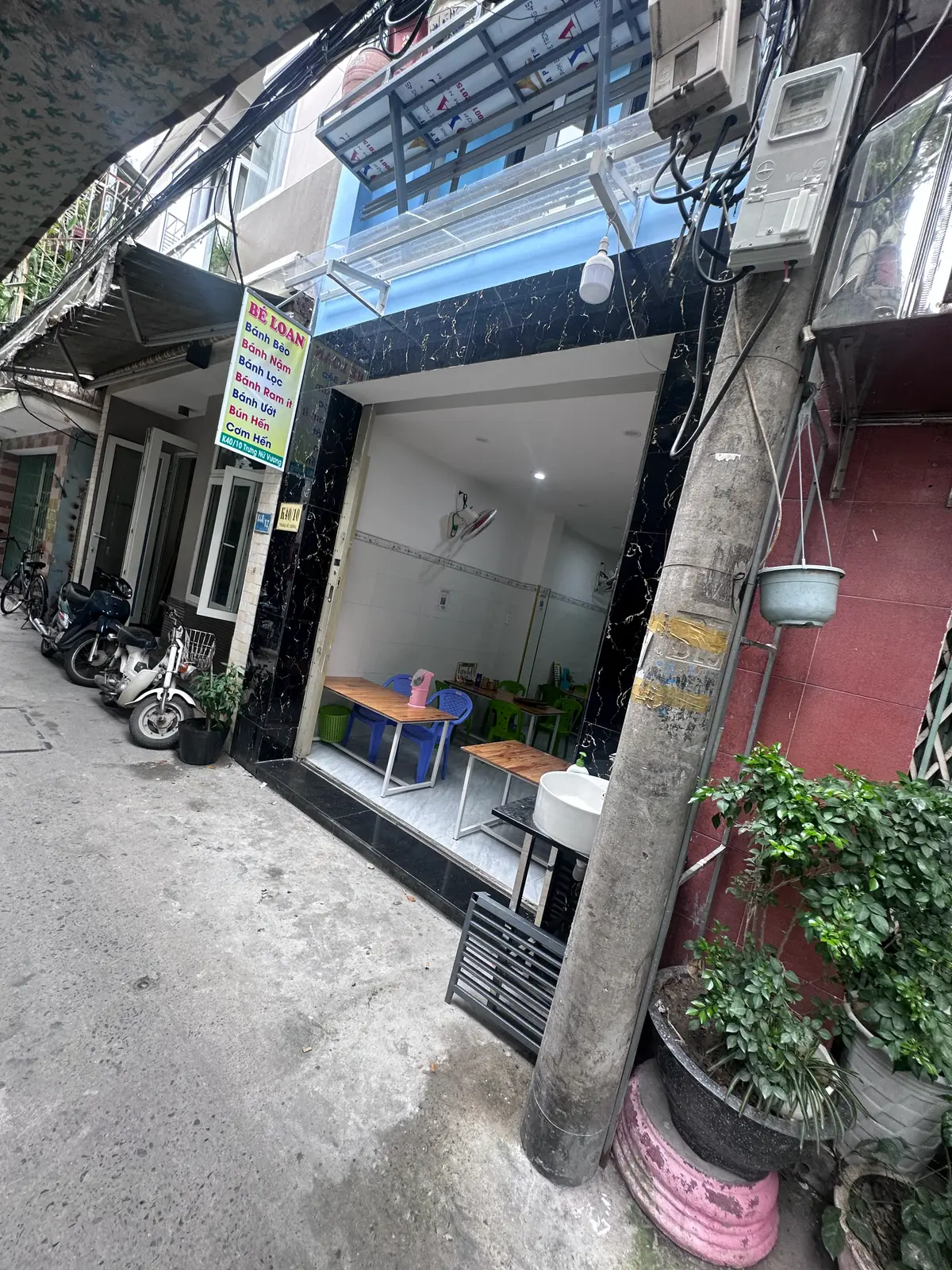
- Be Loan, Da Nang (Bé Loan)
- Common questions
Banh beo (bánh bèo) is a thin steamed rice cake in a small bowl. It is topped with shrimp and scallion oil and eaten in the bowl. It comes from Hue, but in Quang country it changes shape: the bowl is bigger and thicker, the topping thick and pink-red.
Origins: from the old capital to Quang country
Banh beo is a cake from the old capital Hue, very popular across central Vietnam. Whether it began in the imperial court or in commoners’ homes is disputed. What is certain is that the little cake travelled along the central coast: Hue, Da Nang, Quang Nam and Quang Ngai each have their own.
The name may come from its shape, like the leaf of a duckweed plant (bèo). Look at a Hue cake, white, thin and round like a duckweed petal, and the name makes sense.
Moving south, each region reshapes it. Central Vietnamese banh beo is mostly cast in small bowls, hence “bowl banh beo”. Quang Nam cakes are usually big and thick, with a topping of cooked batter with pork, minced shrimp and chives. In Saigon most eateries sell Hue-style banh beo with mung bean and shrimp floss, or Southern-style banh beo with pork skin.
The bowl: rice flour, earthenware and the dip in the middle
Hoi An banh beo is made from rice flour, the kind used for cakes, poured into small glazed earthenware bowls, with a dip in the middle of each cake. The cake is served in its bowl.
The topping gives Quang banh beo its character: shrimp and pork mixed with finely ground rice flour. Some cooks make it with minced river shrimp stir-fried with rice flour, spices and Tra Que scallions. Once cooked, the topping is moderately thick and has a characteristic pink-red colour. One Quang-style stall makes its topping from cassava and minced lean pork stir-fried with annatto oil.
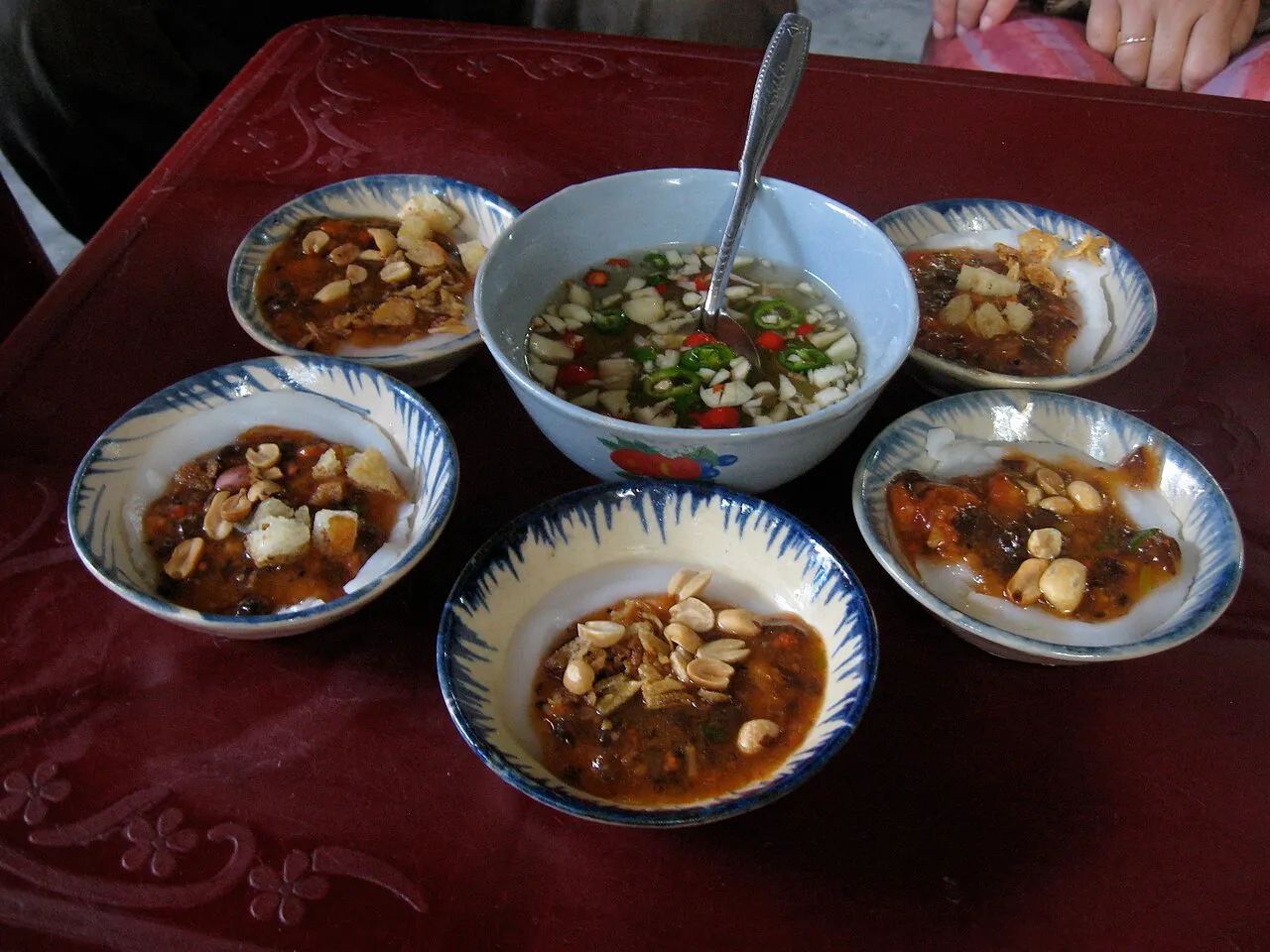
Scallion oil and crushed roasted peanuts go on top. In Hoi An the cake may also get peanuts or crisp fried cao lau strands, with a not-too-sweet fish sauce and green Tra Que chilli.
Quang and Hue: the bowl tells the difference
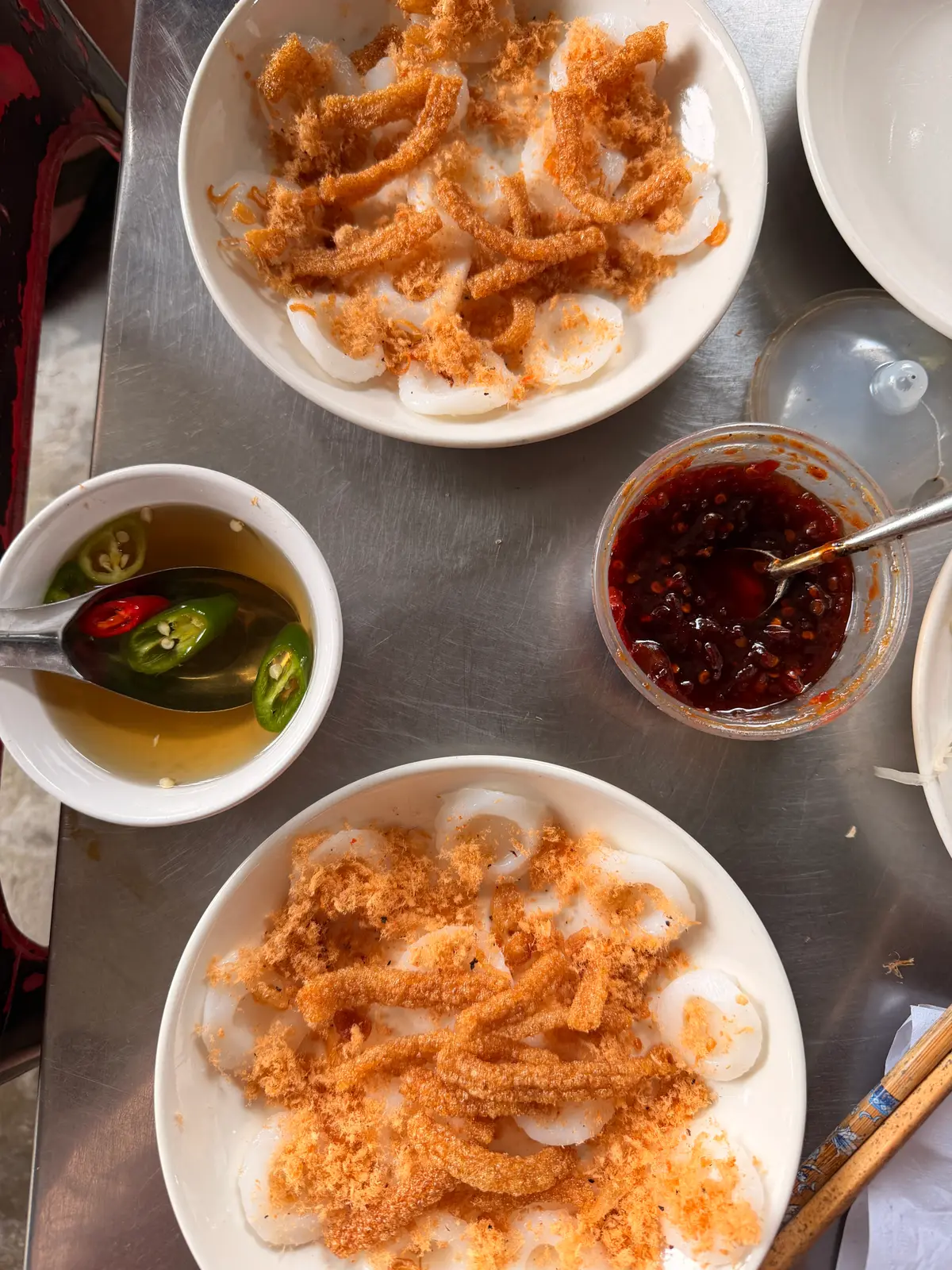
Hue banh beo is small and served with shrimp floss and sweet-sour fish sauce. The cake is thinner, with dried shrimp powder, eaten with crisp pork skin. At one Quang-style stall the cakes are 3 to 4 times thicker and bigger than Hue’s.
| Hue | Quang (Hoi An) | |
|---|---|---|
| Size | Small, thin | Bigger and thicker |
| Topping | Shrimp floss, dried shrimp powder | Stir-fried shrimp and pork |
| On the side | Crisp pork skin | Peanuts, cao lau crisps |
| Sauce | Sweet-sour fish sauce | Fish sauce, green chilli |
Banh beo in the old town of Hoi An
In Hoi An banh beo seems to be everywhere, from the town to the countryside. Besides shops, it is sold by street hawkers and from pushcarts through the streets.
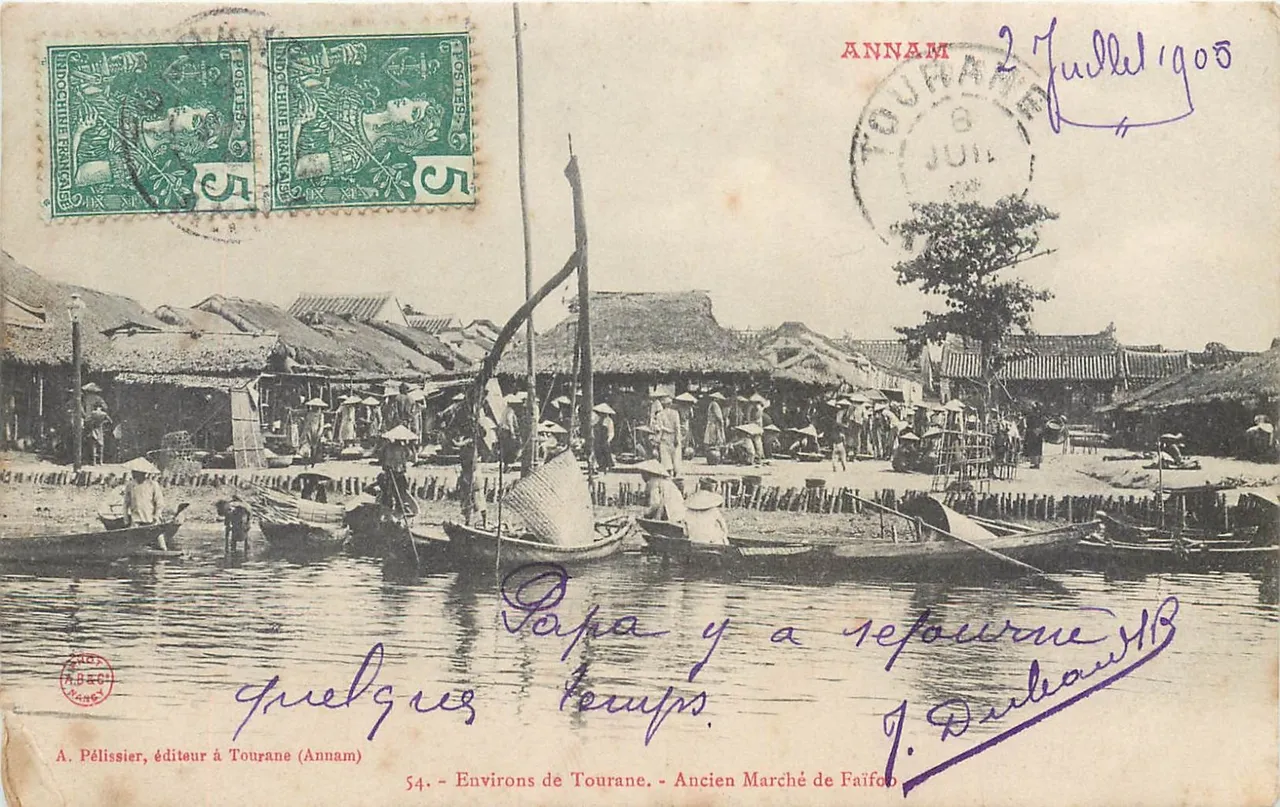
The proper Hoi An way is to hold the whole bowl and cut the cake into four small pieces with a bamboo knife. Most shops in the old town still use traditional bamboo knives. People in Hoi An eat banh beo in the morning or late afternoon.
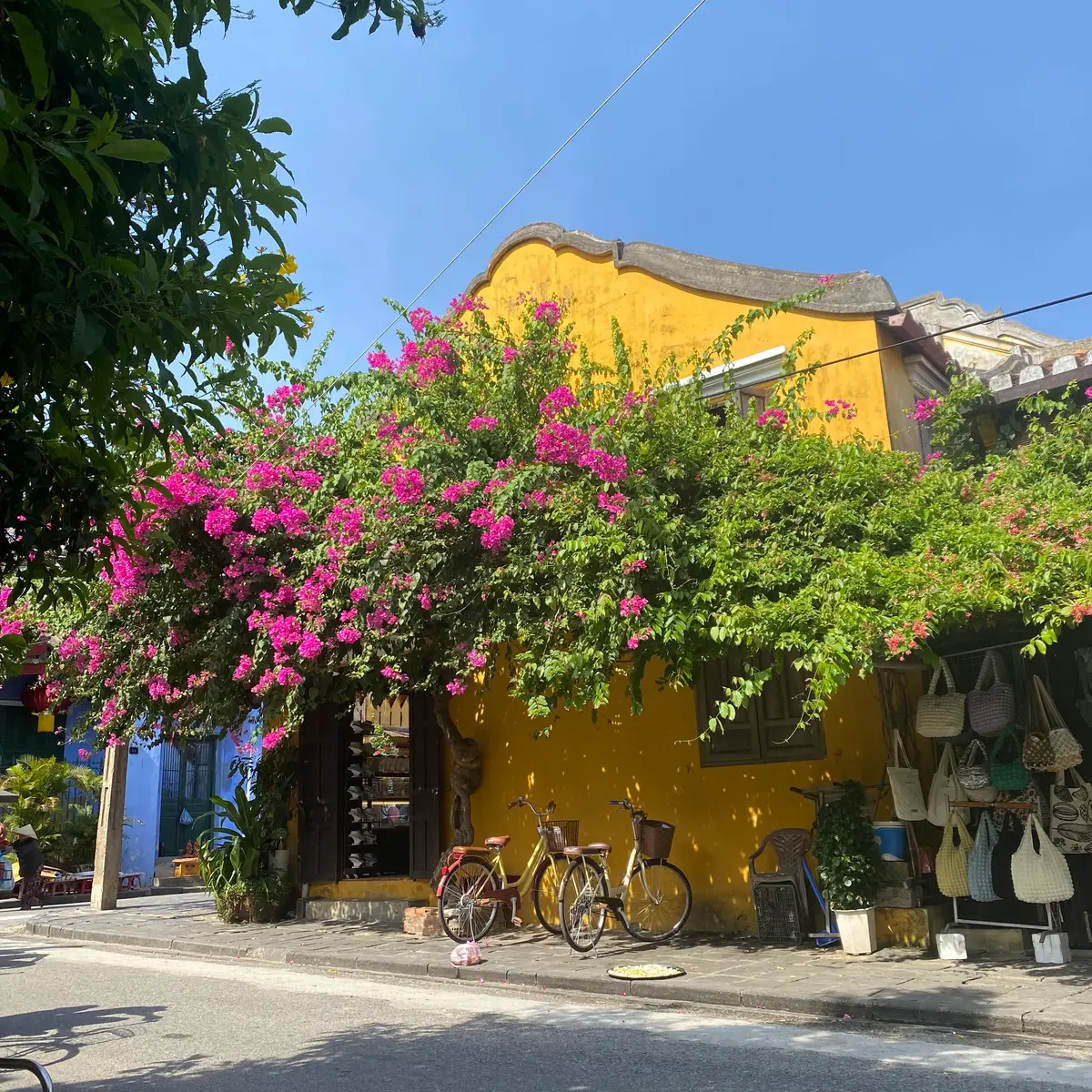
Ba My’s banh beo behind the Japanese Bridge (Chùa Cầu) has been a familiar name to old-town people for over half a century.
How to eat it
Cut the cake into four with the bamboo knife, add scallion oil, and as you like chilli and fish sauce. In Hue you spoon a little sweet-sour, spicy sauce over the cake and eat with a small spoon.
Quang banh beo comes with crab cake. Or ask for the mixed plate: about 4 or 5 banh beo with a few banh bot loc and a piece of crab cake.
Sweet banh beo in Hoi An
Besides the savoury kind, Hoi An has a sweet banh beo. Cooked sugar syrup in the batter turns the steamed cake light yellow.
Three places to try in Hoi An and Da Nang
Picked for a high rating on Google Maps, many reviews and mentions in the press.
Ba My, Hoi An (Bánh bèo Bà Mỹ)
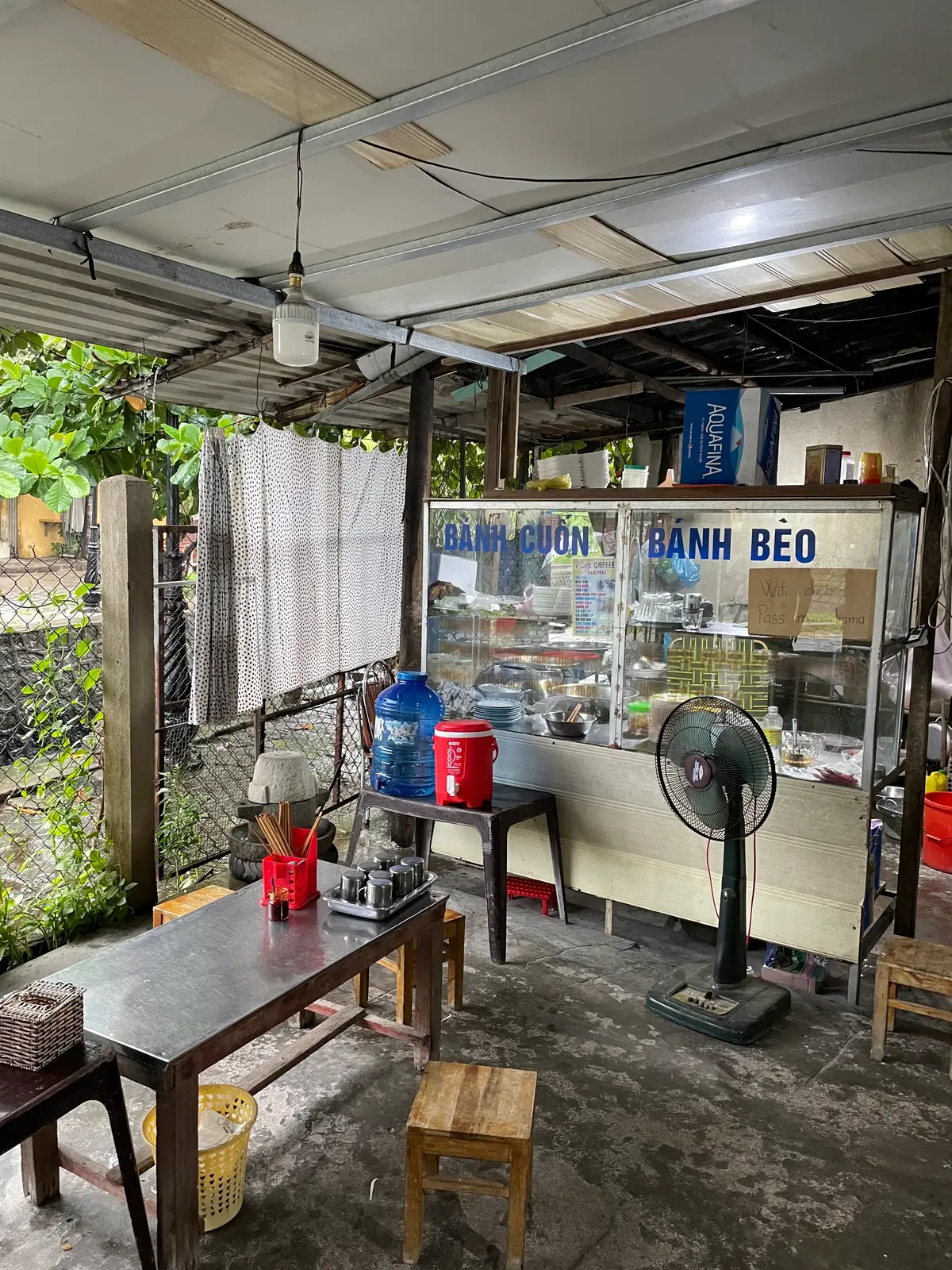
An old shop known for banh beo and banh cuon. Address: Nguyen Thi Minh Khai Street, Hoi An. Open 6 AM to 6 PM. Google Maps rating 4.6★ from 57 reviews.
Ba Bay, Hoi An (Bánh bèo Bà Bảy)
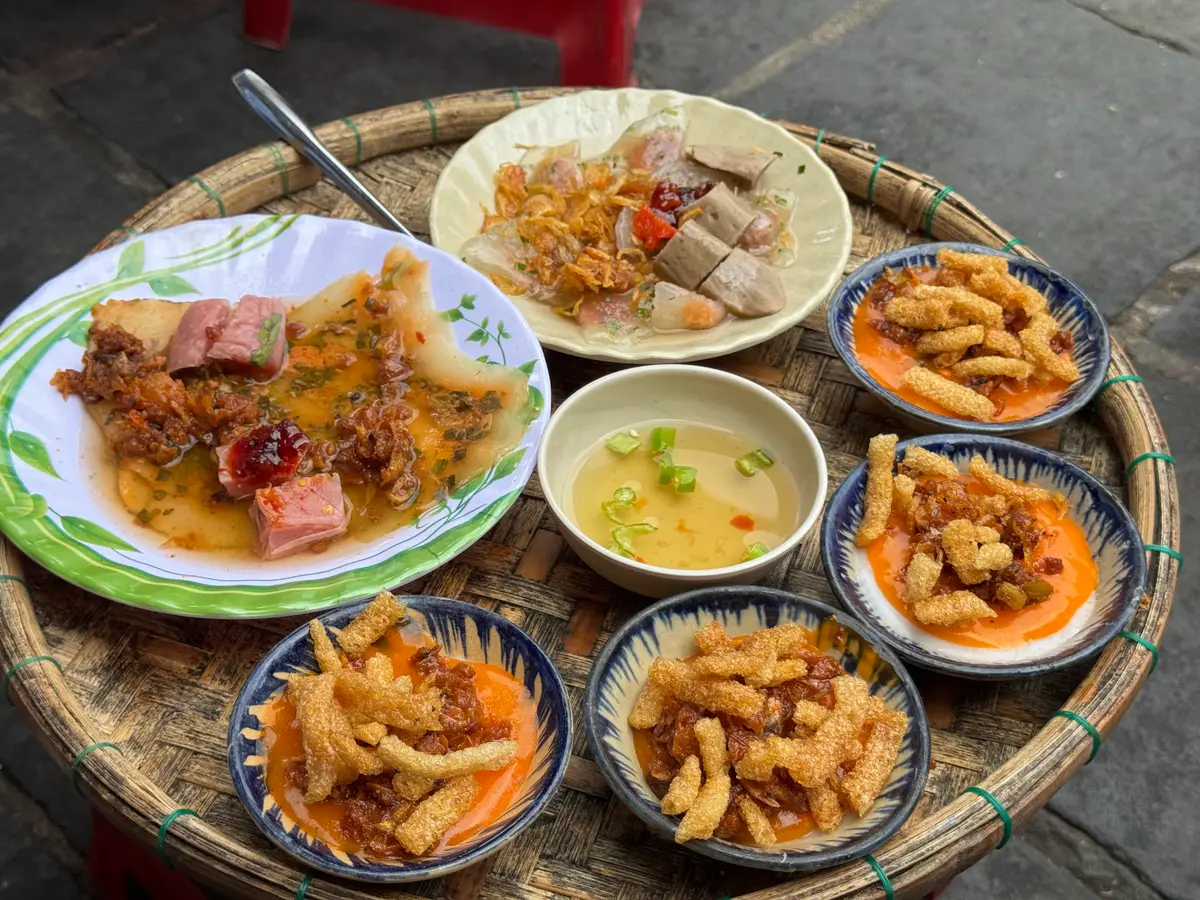
A counter at 2 Hoang Van Thu, in the old town, selling from 12 noon to 5:30 PM. The owner serves quickly and warmly. Google Maps rating 4.7★ from 210 reviews.
Be Loan, Da Nang (Bé Loan)
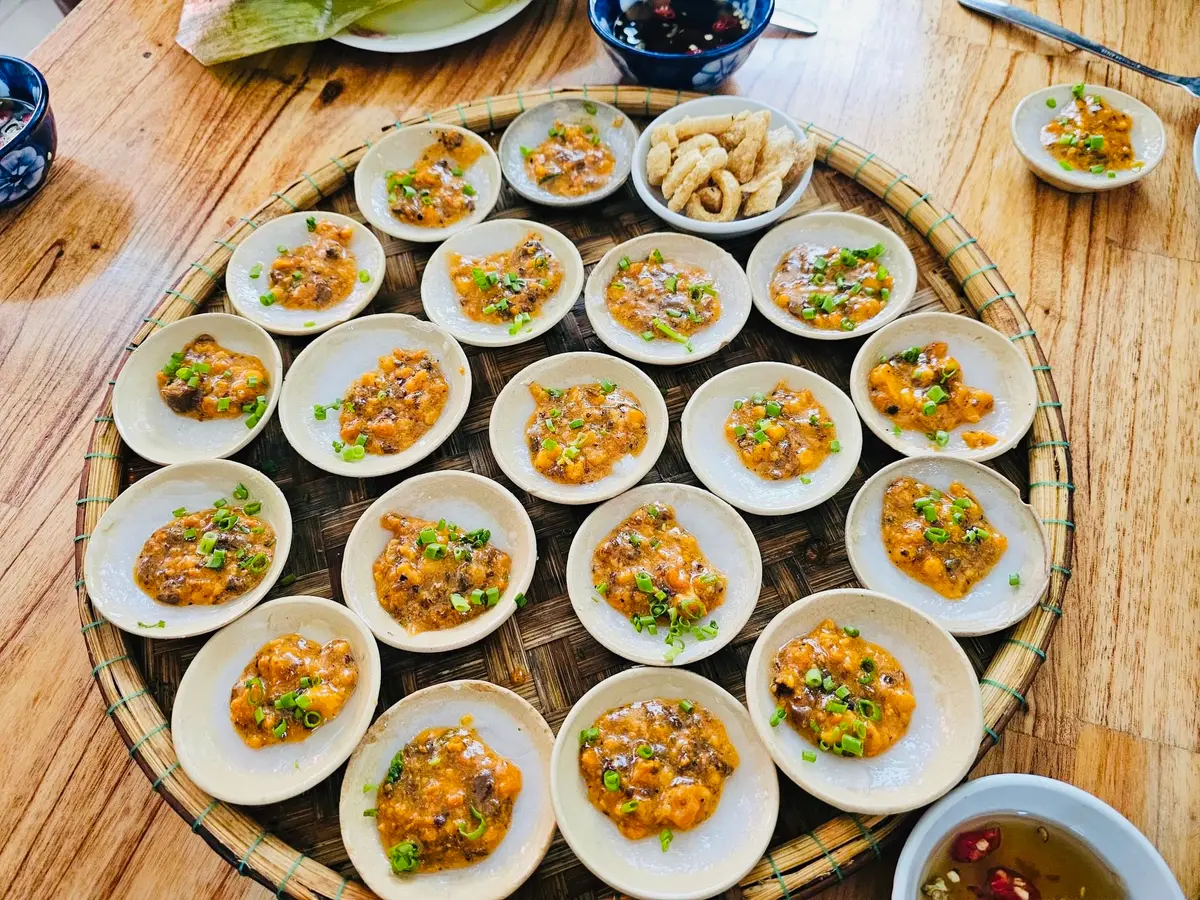
At 40/10 Trung Nu Vuong Street, serving banh beo with banh nam and banh loc. Open 6:30 AM to 9 PM. Google Maps rating 4.7★ from 531 reviews. A fuller list of places to eat in Da Nang and Hoi An is at danangoi.com/places/ (opens in a new tab).
After banh beo, move on to pork banh trang cuon for a full Da Nang lunch.
Photo credits
- Bowls of banh beo topped with a savoury mince mixture and fried shallots: Wikimedia Commons (opens in a new tab), Christopher Crouzet (CC BY-SA 4.0)
- Banh beo bowls with a peanut topping, served with a bowl of fish sauce and chilli: Wikimedia Commons (opens in a new tab), Dragfyre (CC BY-SA 3.0)
- The old market of Faifoo (Hoi An) on an old postcard: Wikimedia Commons (opens in a new tab), Unknown (early 20th-century postcard) (Public domain)
- Photos and clips uploaded to Google Maps (Ba My Banh Beo on Google Maps (opens in a new tab), Ba Bay Banh Beo on Google Maps (opens in a new tab), Be Loan Banh Beo on Google Maps (opens in a new tab)) by mce bro, Huu Tien NGUYEN, quai vat do an, Ngoc Anh Nguyen, Be Loan - Banh Beo, Nam, Loc, Ram It, Tran Nguyen.
Common questions
Where does banh beo come from?
Banh beo comes from the old capital Hue and is popular across central Vietnam. Whether it began in the imperial court or among commoners is disputed.
Why is it called banh beo?
The name may come from the cake's shape, like a duckweed leaf.
What is banh beo made of?
Rice flour, poured into small glazed earthenware bowls. In Hoi An the topping is shrimp and pork mixed with ground rice flour, finished with scallion oil and crushed roasted peanuts.
How is Quang banh beo different from Hue banh beo?
Hue cakes are small and thin, with shrimp floss or dried shrimp powder and crisp pork skin. Quang Nam cakes are bigger and thicker; one Quang-style stall makes them 3 to 4 times thicker and bigger than Hue's.
How do you eat banh beo in Hoi An?
Hold the whole bowl and cut the cake into four small pieces with a bamboo knife. Most Hoi An shops use traditional bamboo knives.
What is sweet banh beo?
Hoi An also has a sweet banh beo. Cooked sugar syrup in the batter turns the steamed cake light yellow.
When do people eat banh beo?
People in Hoi An eat it in the morning or late afternoon. Ba Bay sells from 12 noon to 5:30 PM.
Is banh beo in Ho Chi Minh City the same?
At most eateries there it is Hue-style with mung bean and shrimp floss, or Southern-style with pork skin.
Read next
- Cao Lau Hoi An: History, Noodle Makers and Three PlacesVerified 18 October 2026
- Banh Trang Cuon Thit Heo: Dai Loc Roots and Tuy Loan Rice PaperVerified 18 October 2026
- Banh Beo of Quang Nam: From Hue Bowls to Hoi An and Da NangVerified 18 October 2026
- Banh Kho Me Cam Le: the Seven-Fire Cake of QuangVerified 18 October 2026
General information checked against the sources listed above, not legal advice for your situation. Rules and office practice change; confirm with the relevant office or a licensed adviser before you act. See how guides are checked.
Spotted an error? Report it.