Che Luc Tau Xa: Hoi An's Cantonese Mung Bean Dessert
Che luc tau xa (chè lục tàu xá) is a thick Hoi An sweet soup of mashed mung beans, tapioca pearls, sugar and dried tangerine peel. The name is Cantonese; the dish reached the trading port with overseas Chinese and Minh Huong people. Without the peel it is just mung bean soup. It is best eaten hot.
In this guide
Che luc tau xa looks plain: a small bowl of thick, pale yellow soup dotted with white tapioca pearls. Behind that bowl is the story of the Hoi An trading port and the Chinese who brought the dish in centuries ago.
A sweet soup that followed the Chinese into the port
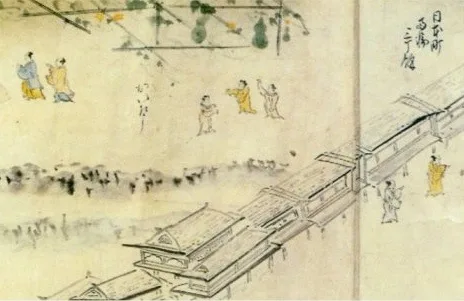
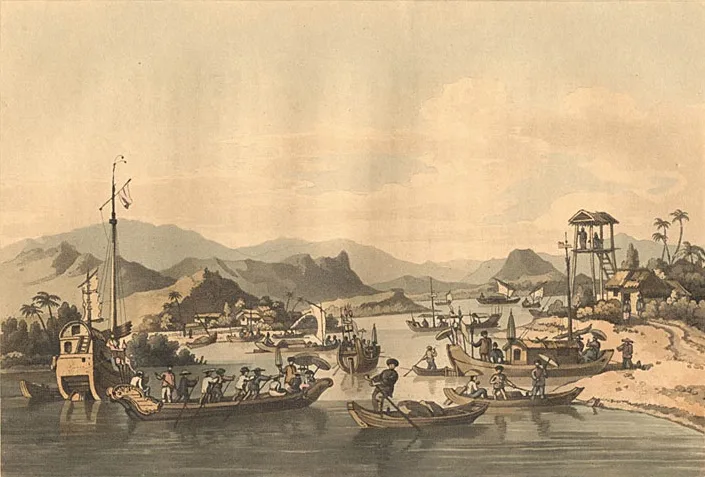
In the seventeenth and eighteenth centuries Hoi An was one of the busiest international trading ports, where Vietnamese, Chinese, Japanese and Western traders met. Two self-governing quarters formed there, one Japanese and one Chinese. The Chinese quarter, Duong Nhan Pho (Đường Nhân phố), lay upstream to the west.
Traces of that community remain on Tran Phu street. The Fujian Assembly Hall at 46 Tran Phu was built from 1697 by the Fujian Chinese community. The port and its foreign quarters are covered in Hoi An history and Hoi An ancient town.
Food travels with people. Tau xa followed overseas Chinese and Minh Huong people into the port centuries ago. It came alongside xi ma and luong phanh.
The book Van hoa am thuc o pho co Hoi An likewise puts che tau xa among the dishes of Chinese origin, like xi ma. Few people remember that distant origin today.
What “tau xa” means
Tau xa (tàu xá) is a Cantonese name. The full name is luc tau xa (lục tàu xá, from luc dau sa), meaning mashed mung beans. The name points to the main ingredient, while the pot holds mung beans, tapioca pearls, dried tangerine peel (tran bi) and white sugar.
From a Chinese dish to a dish of Hoi An
The newspaper Dan Viet writes that luc tau xa has been in Hoi An for centuries and is now a dish full of Hoi An flavour. It became a familiar favourite of most Hoi An residents and visitors. A Thanh Nien article republished on Hoi An Creative City praises the skill of Hoi An people in combining mung bean with tangerine peel.
Che is a snack Hoi An people especially love. The old-town alleys have red bean, hyacinth bean, taro, corn and banana sweet soups, and luc tau xa among them.
Hue remembers it too
In Hue, luc tau xa was a famous snack in the 50s, 60s and early 70s of the last century. The Hue people of old still remember its taste. The Hue story matches Hoi An’s: the dish came to Vietnam with overseas Chinese and Minh Huong people.
Each winter, when the rain drizzles on and on, people remember luc tau xa, because it tastes best hot.
What is in the bowl
In Hoi An the main ingredients are hulled mung beans and sugar, with a little tapioca and, importantly, tangerine peel. Tran bi is dried tangerine peel. Without it, tau xa is no different from ordinary mung bean or tapioca sweet soup. That is why at first glance everyone takes it for mung bean soup, and only the first spoonful shows the difference.
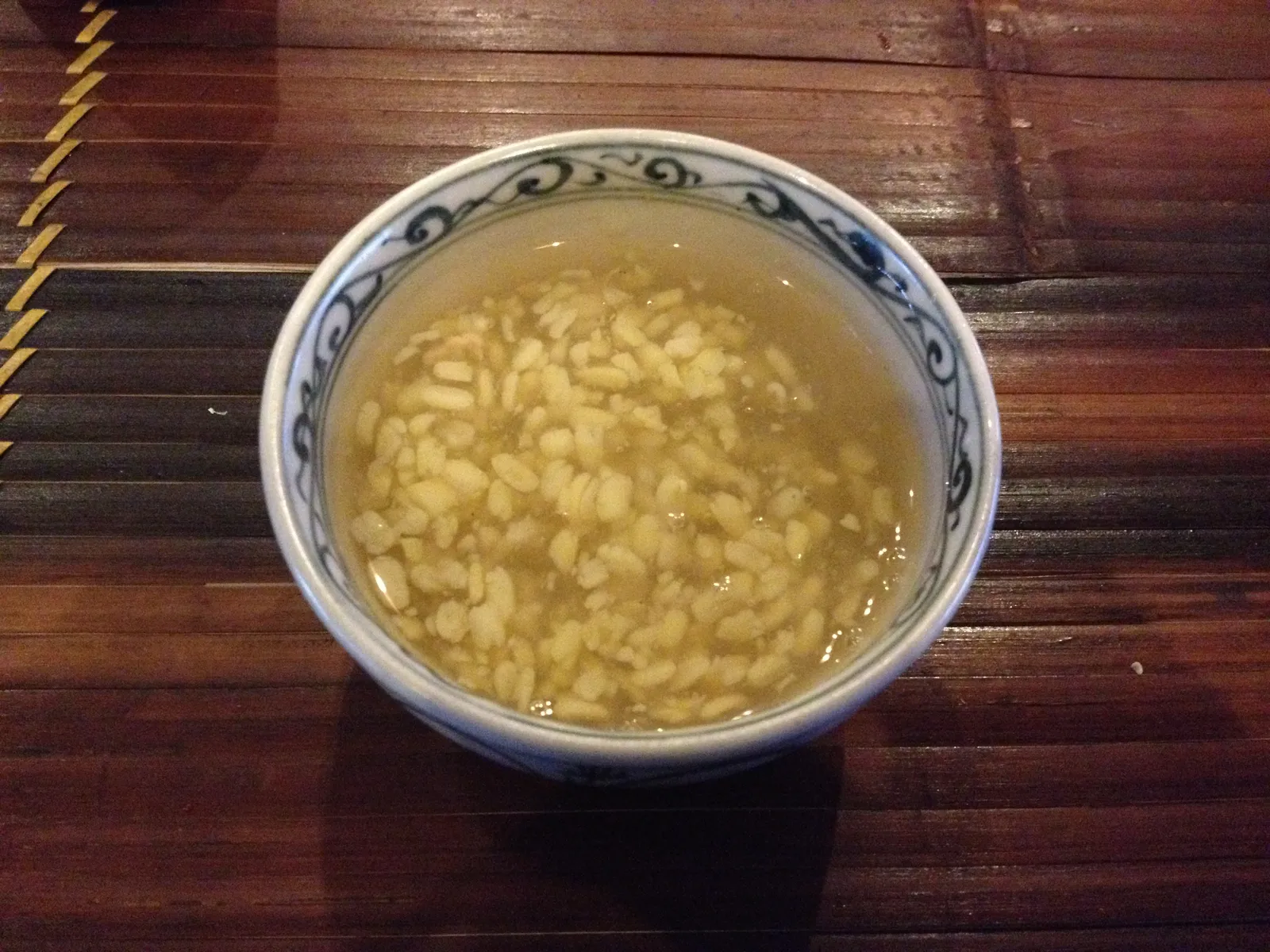
When it is done the pot is thick, turns yellow and is dotted with white tapioca pearls. The sweetness of the sugar blends with the nutty richness of the mung bean and tapioca and the tingling bite of the peel.
Lotus seeds, jujubes and coconut cream belong to the Hue-style recipe.
Cooking a pot of luc tau xa
Hoi An style
- Pick small mung beans with a yellow centre. Sift off the husks and soak the beans a few hours in filtered water.
- Rinse and drain them, mix in a little fine salt and cook until very soft.
- Boil the tapioca briefly to lose its slime, then cook it with the beans.
- When beans and tapioca are cooked, add the sugar and stir so it does not stick and scorch on the pot wall. The Thanh Nien article adds: put in the soft beans, bring back to the boil and skim the foam.
- Wash the tangerine peel in boiling water and add it last; a few more minutes and it is done. When the soup is nearly thick, sprinkle the shredded peel over the top and stir it in.
Hue style
The recipe serves 3-4 people. It uses 150 g of hulled mung beans, 100 g of cleaned lotus seeds, 50 g of tapioca pearls and 50 g of jujubes. Add a little dried tangerine peel, rinsed in hot water and finely shredded.
Put the beans and lotus seeds in the pot, pour in coconut water and simmer until soft. After about 20 minutes, add the sugar and a little salt and stir. When the soup is thick, add the peel and stir. Ladle into bowls and pour coconut cream on top.
How it differs from mung bean sweet soup
- Tangerine peel. This is the difference: without it, the soup is no different from ordinary mung bean soup.
- Tapioca. Hoi An adds a little tapioca, boiled briefly before it goes in the pot.
- Flavour. The tingle of the peel goes with the nutty richness and the sugar’s sweetness.
- Origin. The dish carries a Cantonese name and came with the Chinese.
The medicine in the pot
The old “medicinal” way of describing the ingredients goes like this. Mung bean is cooling and detoxifying. Tangerine peel is bitter-tingling, aiding digestion and clearing phlegm.
The Hoi An pairing of mung bean with peel is called a remedy that cools the body and works well against colds. This is folk talk from books and papers; it shows why people of the past loved this soup.
How to eat it properly
Eat it hot. When winter comes, many alleys of Hoi An old town smell of hot sweet soups. On chilly days people sit at a small street corner and order a steaming bowl, blowing on each spoonful.
Walking through Hoi An you will easily come across many sweet-soup carts. Luc tau xa is described as a unique, simple, cheap snack any visitor can stop for.
If you are in Da Nang and want somewhere to eat, see the listings at danangoi.com/places/ (opens in a new tab).
What to eat with it
Have the savoury course first and finish with the warm bowl. Choose Hoi An’s cao lau, the Quang Nam noodle mi quang, banh beo or the young-jackfruit salad mit tron. More dishes are in the food section.
Photo credits
- The Japanese quarter of Hoi An with its covered bridge, from a 17th-century Japanese scroll: Wikimedia Commons — 17th-century scroll of the Japanese street in Hoi An, public domain (opens in a new tab) (Public domain)
- The river at Faifo (Hoi An) in John Barrow's account of his Cochinchina voyage: Wikimedia Commons — John Barrow, A voyage to Cochinchina (1806), public domain (opens in a new tab) (Public domain)
- A bowl of mung bean sweet soup, the pale yellow beans floating in light syrup: Wikimedia Commons — Hoangkid (opens in a new tab), Hoangkid (CC BY-SA 4.0)
Common questions
What is che luc tau xa?
A thick sweet soup of mung beans, tapioca pearls, dried tangerine peel and white sugar. At first glance it looks like plain mung bean soup, but it tastes different.
Where does che luc tau xa come from?
Tau xa is a Cantonese name, and the dish came to Vietnam with overseas Chinese and Minh Huong people centuries ago. In Hoi An it entered the port alongside xi ma and luong phanh.
What does luc tau xa mean?
The full name is luc tau xa (luc dau sa), meaning mashed mung beans.
How is che luc tau xa different from mung bean sweet soup?
The tangerine peel and the tapioca. Without the dried peel, tau xa is no different from ordinary mung bean or tapioca sweet soup.
Does che luc tau xa have lotus seeds?
The Hue-style recipe has lotus seeds and jujubes, cooked in coconut water and finished with coconut cream. The Hoi An description lists hulled mung beans, sugar, a little tapioca and tangerine peel.
How do you cook che luc tau xa?
Soak the mung beans a few hours and cook them very soft, add briefly boiled tapioca, then sugar, and last the shredded tangerine peel for a few more minutes.
Is che luc tau xa from Hue or Hoi An?
Both places remember it. In Hue it was a famous snack in the 50s, 60s and early 70s of the last century. In Hoi An it has been sold for centuries and is now a dish full of Hoi An flavour.
When is the best time to eat che luc tau xa?
While it is hot, on chilly winter days.
Read next
- Hoi An History: The Faifo Trading Port and Old TownVerified 18 October 2026
- Hoi An Old Town: Heritage, Assembly Halls, TicketsVerified 18 October 2026
- Cao Lau Hoi An: History, Noodle Makers and Three PlacesVerified 18 October 2026
- Mi Quang: Origins, Phu Chiem Village, How It Is Made and Three ShopsVerified 18 October 2026
General information checked against the sources listed above, not legal advice for your situation. Rules and office practice change; confirm with the relevant office or a licensed adviser before you act. See how guides are checked.
Spotted an error? Report it.